
led bathroom mirror anti fog
Understanding Spline Gauge An Essential Tool in Precision Engineering In the realm of precision engineering and manufacturing, the importance of accurately measuring and verifying dimensions cannot be overstated. Among the various tools available for this purpose, the spline gauge stands out as a vital instrument specifically designed to measure the profiles of splines—key components in mechanical systems that transfer torque between shafts. A spline is a series of ridges or teeth on a shaft or hole that allows for a secure mechanical connection between components. Commonly found in automotive drive trains, aerospace applications, and industrial machines, splines must meet precise specifications to ensure proper fit and function. This is where the spline gauge comes into play. What is a Spline Gauge? A spline gauge is a specialized measuring tool used to assess the dimensional characteristics of splines, including their thickness, depth, and spacing. Typically made from high-strength materials such as hardened steel, spline gauges are designed to withstand wear and provide accurate measurements. They come in various shapes and configurations to accommodate different types of splines, including involute splines, parallel key splines, and more. The design of the spline gauge allows for both direct measurement of the spline profile and the ability to check the dimensional tolerances specified in engineering drawings . These gauges often incorporate features such as slots or notches that conform to the specific geometry of the spline, enabling quick and reliable checks. Importance of Spline Gauges spline gauge The use of spline gauges is critical in maintaining quality control in manufacturing processes. As splines are crucial for transferring power, any deviation from the specified dimensions can lead to improper engagement, excessive backlash, or even component failure. Thus, a spline gauge serves as an assurance that each part meets required tolerances before it is used in assembly. Moreover, spline gauges are invaluable in the field of maintenance and repair. Technicians can use these gauges to determine whether a worn or damaged spline can be refurbished or needs replacement. This capability can lead to significant cost savings and extended machinery lifespan. Choosing the Right Spline Gauge When selecting a spline gauge, it is essential to consider the specific type of spline being measured and the precision requirements of the application. Different industries may have varying standards, so the gauge must be compatible with the relevant specifications. It is also advisable to choose a gauge with a robust construction that can endure repetitive use in a workshop environment. Conclusion In summary, the spline gauge is a quintessential tool for ensuring precision in the manufacturing and maintenance of spline applications. By accurately measuring the dimensions of splines, it helps maintain the integrity and functionality of mechanical systems. As technology continues to advance, developments in design and materials will likely yield even more effective gauges, further enhancing the ability to produce high-quality components in diverse industries. For engineers and technicians alike, understanding and utilizing spline gauges are essential for achieving excellence in precision engineering.
about
led bathroom mirror anti fog
In the world of manufacturing and engineering, precision is non-negotiable—especially when it comes to threads, which are critical components in machinery, construction, and everyday products. Ensuring threads meet exact specifications requires specialized tools, and thread plug gauge , internal thread gauge , and screw thread gauge stand out as indispensable for this task. These gauges verify thread dimensions, pitch, and fit, ensuring compatibility and functionality in assembled parts. In this guide, we’ll explore their roles, features, and best practices, drawing on industry insights to highlight their importance in maintaining quality and reliability in manufacturing. The Role of Thread Plug Gauge in Ensuring Internal Thread Accuracy Thread plug gauge is a fundamental tool in thread inspection, designed specifically to verify the accuracy of internal threads (threads inside a hole or nut). Crafted from high-hardness materials like tool steel or carbide, these gauges are engineered to withstand repeated use while maintaining precise dimensions—critical for consistent quality control. At its core, a thread plug gauge works by checking two key parameters: size and pitch. The gauge features a threaded shaft with two ends: a “go” end and a “no-go” end. The “go” end is designed to fit smoothly into a correctly sized internal thread, confirming that the thread is not too small. The “no-go” end, slightly larger, should not fit into the thread, ensuring the thread is not too large. This dual-end design provides a quick, reliable way to assess if threads meet tolerance standards, eliminating the need for complex measurements. Thread plug gauge is essential in industries like automotive, aerospace, and manufacturing, where even minor thread discrepancies can lead to part failure or assembly issues. Its ability to provide instant feedback streamlines quality control processes, reducing production delays and ensuring that only properly threaded parts move forward in the manufacturing pipeline. How Internal Thread Gauge Specializes in Internal Thread Verification While thread plug gauge is a type of internal thread tool, internal thread gauge is a broader category encompassing tools dedicated to inspecting internal threads across various applications. These gauges are tailored to the unique challenges of measuring threads inside holes, where external access is limited and precision is paramount. Internal thread gauge tools, including thread plug gauges, are designed to match specific thread standards (such as metric or imperial) and pitches, ensuring compatibility with the parts being inspected. Unlike external thread gauges, which check threads on bolts or screws, internal thread gauge tools must navigate the confined space of a hole, requiring a slender, durable design that does not distort the thread during inspection. One of the key advantages of internal thread gauge is its ability to detect irregularities like incomplete threads, burrs, or incorrect pitch spacing. By identifying these issues early, manufacturers can correct defects before parts are assembled, preventing costly rework or product failures. Whether used in manual inspections or integrated into automated quality control systems, internal thread gauge tools are vital for maintaining the integrity of internal threads in critical components. The Versatility of Screw Thread Gauge in Thread Quality Assurance Screw thread gauge is a versatile tool category that includes both internal and external thread inspection tools, making it a cornerstone of thread quality assurance across industries. These gauges verify that screw threads (whether on bolts, screws, nuts, or holes) meet design specifications, ensuring proper fit and functionality in assembled products. Screw thread gauge tools come in various forms, from simple plug gauges for internal threads to ring gauges for external threads, but all share the same goal: to confirm thread accuracy. What sets them apart is their adaptability to different thread types, including straight, tapered, coarse, or fine threads. This versatility makes screw thread gauge indispensable in settings where multiple thread standards are used, such as general manufacturing or repair shops. Beyond basic size checks, screw thread gauge can also assess thread form—ensuring that the thread’s profile (angle, depth, and shape) matches design requirements. This is critical because even a thread of the correct size can fail if its form is irregular, leading to weak connections or assembly difficulties. By providing comprehensive thread verification, screw thread gauge tools play a key role in upholding product reliability and safety. Key Features to Consider When Choosing Thread Plug Gauge, Internal Thread Gauge, and Screw Thread Gauge Selecting the right thread gauge depends on understanding their key features, which directly impact performance and accuracy. Below is a comparison of essential features for thread plug gauge , internal thread gauge , and screw thread gauge : Gauge Type Primary Material Key Design Features Primary Application Thread Plug Gauge Tool Steel or Carbide Dual “go/no-go” ends, precise thread pitch, corrosion resistance Inspecting internal threads in nuts, holes, or tapped parts. Internal Thread Gauge High-Hardness Alloys Slim profile, compatibility with specific thread standards Verifying internal thread size, pitch, and form. Screw Thread Gauge Wear-Resistant Steel Versatile thread profiles (metric/imperial), durable construction General thread inspection for screws, bolts, nuts, and holes. Other critical features include calibration certification (ensuring traceability to standards), surface finish (to prevent thread damage during inspection), and ergonomic design (for ease of use in manual inspections). Choosing a gauge with these features ensures reliable, long-lasting performance in demanding manufacturing environments. FAQS a bout Thread Plug Gauge, Internal Thread Gauge, and Screw Thread Gauge How does a thread plug gauge differ from other thread inspection tools? A thread plug gauge is specifically designed for internal threads, using “go/no-go” ends to quickly verify size and pitch. Unlike calipers or micrometers, which measure dimensions numerically, it provides a pass/fail assessment, making it faster for high-volume inspections. Its dedicated design for internal threads sets it apart from external thread tools like ring gauges. When should I use an internal thread gauge instead of a general measuring tool? Use an internal thread gauge when inspecting internal threads (e.g., in nuts or holes) where precision is critical. General tools like calipers struggle to accurately measure thread pitch or form in confined spaces, while internal thread gauge is engineered to match thread profiles, ensuring that threads fit properly with their mating parts (e.g., bolts or screws). What makes a screw thread gauge essential for automotive manufacturing? Screw thread gauge is essential in automotive manufacturing because it ensures that threads in critical components (e.g., engine parts, fasteners) meet strict standards. Properly threaded parts prevent leaks, reduce vibration, and ensure structural integrity—all vital for vehicle safety and performance. Its ability to verify both internal and external threads streamlines quality control in high-volume production. How often should a thread plug gauge be calibrated to maintain accuracy? A thread plug gauge should be calibrated regularly, typically every 6–12 months, depending on usage frequency and operating conditions. Calibration ensures that the gauge’s “go” and “no-go” ends remain within tolerance, preventing false pass/fail results. Heavy use or exposure to harsh environments may require more frequent calibration to maintain reliability. Can a screw thread gauge inspect both metric and imperial threads? Yes, many screw thread gauge sets include options for both metric and imperial threads, with different models calibrated to specific standards.It’s important to select the correct gauge for the thread type being inspected, as mixing standards can lead to inaccurate results and poor part fit. Whether you’re in automotive, aerospace, or general manufacturing, our team of experts can help you select the right gauge for your specific thread standards and inspection needs. Visit our website to explore our full range, from standard gauges to custom solutions, and learn how our tools can enhance your quality control processes.
-

High quality industrial productsagement

High quality industrial products
View Details -

Meet the diverse needs of customers

Meet the diverse needs of customers
View Details -

Strict quality control

Strict quality control
View Details -

Top raw materials

Top raw materials
View Details -

Trusted supplier

Trusted supplier
View Details
Our application

news and information

Versatile 3x4 Welding Table for Precision Projects and Durable Fabrication
3x4 welding table .
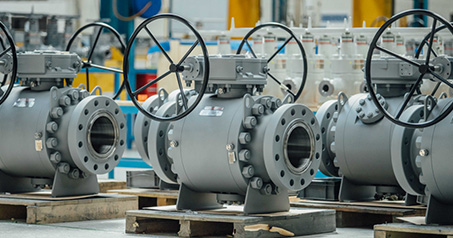
water valve which way is open
Understanding Water Valves Determining the Open Position Water valves play a crucial role in plumbin
wskazuje mikrometr
Indykatory Mikrometryczne Zastosowanie i Właściwości Indykatory mikrometryczne to precyzyjne narzędz
 English